As a vital piece of industrial equipment, explosion-proof electric double-girder overhead cranes require standardized and precise construction techniques that are directly related to their safe operation and production efficiency. This construction plan comprehensively addresses every step, from construction preparation to ongoing maintenance, ensuring that the crane meets explosion-proof and efficient operation requirements throughout installation, commissioning, and operation. Through meticulous construction team development, rigorous technical documentation review, precise track installation and adjustment, a scientific assembly and mounting process, and stringent safety and quality control measures, this plan will lay a solid foundation for the crane’s stable operation. Furthermore, ongoing maintenance and operator training will be crucial to ensuring the equipment’s long-term, efficient operation.
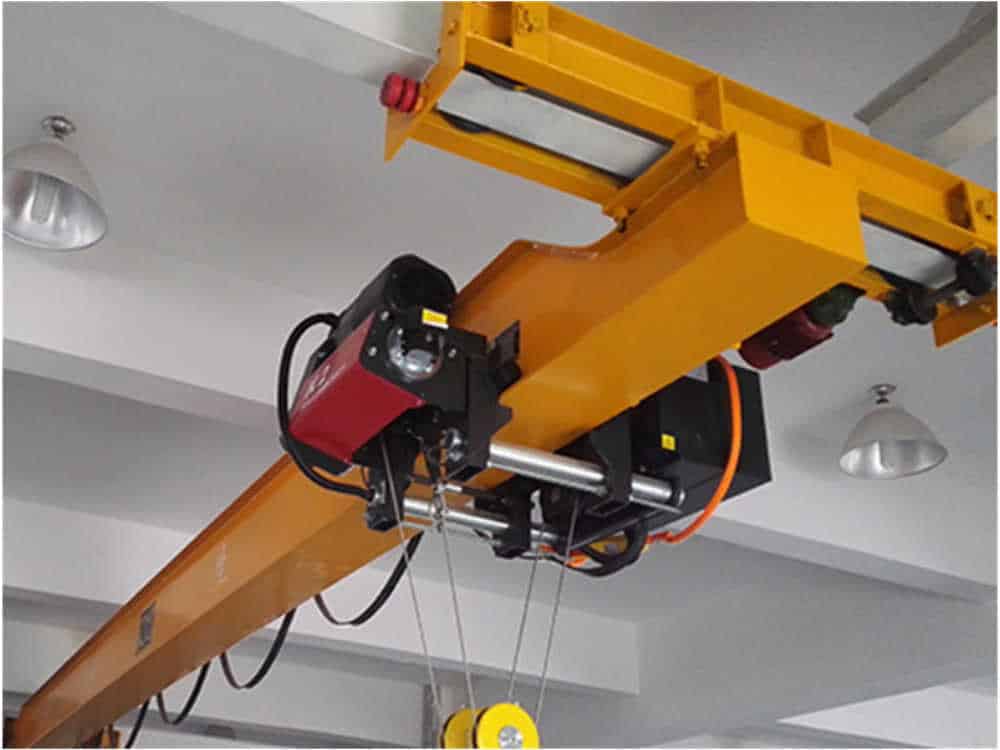
Before construction begins, a series of meticulous preparations and preliminary work are essential to ensure the smooth progress of the project. The following is a detailed introduction to these preparations and preliminary work.
Table: List of materials and equipment required for construction (equipment and tools)
| Equipment/Tool Name | Description/Purpose | Quantity |
| Crane | For lifting and moving crane components | 1-2 units (depending on crane size and weight) |
| Welder | For welding crane components and connections | Several (according to welding requirements) |
| Measuring instruments | For measuring and calibrating the size and position of crane components | Several (such as rangefinder, level, etc.) |
| Bolts, nuts and other fasteners | For connecting and securing crane components | Several (depending on the number of parts) |
| Safety protection products | Including safety helmets, safety belts, protective glasses, etc. | Several (depending on the number of construction workers) |
| Hand tools (such as wrenches, screwdrivers, etc.) | For routine maintenance and repair | Several |
Table: List of materials and equipment required for construction (safety protection supplies)
| Name of safety protective equipment | Description/Purpose | Quantity |
| Helmet | Protect your head from accidental injuries | One for each person |
| Seat belt | Used to protect the safety of construction workers during high-altitude operations | One per person |
| Protective glasses | Prevent splashing or dust from injuring eyes | One for each person |
| Anti-smashing shoes | Prevent your feet from being hit by heavy objects | One pair per person |
| Protective gloves | Prevent hand injuries or contamination | One for each person |
| Safety warning signs | Safety warnings and tips for construction sites | Several (according to site needs) |
The construction team must be formed based on the specific needs and expertise of the project. The project manager, as the core of the team, is responsible for overall planning and coordination, including developing the construction plan, coordinating the work of various departments, and resolving any issues that arise during construction. The technical manager must be proficient in crane installation techniques, ensuring the correct implementation of the construction plan and providing technical guidance and oversight during the construction process. The safety supervisor is responsible for on-site safety management, promptly identifying and correcting safety hazards, and ensuring safety during construction. Construction team members are assigned to different construction stages, such as structural assembly and electrical installation, based on their respective expertise, ensuring that each stage has a dedicated individual responsible and clear responsibilities.
A thorough review of construction drawings and technical documents is crucial before construction begins. This includes reviewing the crane structural drawings, electrical drawings, and installation instructions to ensure their completeness and accuracy. Furthermore, the drawings must be checked against relevant national or industry standards to ensure they meet safety and technical requirements, providing a reliable basis for subsequent construction. Technical briefing is also essential. By communicating with designers, manufacturers, and other relevant personnel, we can fully understand the drawings and technical requirements and ensure that technical issues during construction are resolved promptly.
Pre-installation site inspections involve confirming the flatness of the ground, load-bearing capacity, and space dimensions at the crane installation location. Ground flatness is a crucial prerequisite for crane installation. An uneven ground surface can cause problems such as tilting and shaking after installation. Load-bearing capacity refers to the weight the site can withstand. An overloaded crane can cause sinking and cracking. Space dimensions refer to the size of the site. Insufficient space can affect the crane’s normal operation. In addition to the above inspections, it is also necessary to prepare the necessary construction equipment and tools, such as a crane, welding machine, measuring instruments, and necessary safety equipment, to ensure thorough construction preparation. These steps and preparations are essential for a smooth crane installation.
During the construction process, understanding and mastering the crane’s structure and technical parameters is crucial to ensuring smooth and safe construction. As indispensable heavy equipment in construction projects, cranes must strictly adhere to relevant standards and specifications in their design, manufacture, operation, and maintenance.
The bridge structure of an explosion-proof electric double-girder overhead crane is the core load-bearing component of the entire crane. It is primarily composed of the main beam, secondary beam, and end beams. The main beam is welded from high-quality steel, providing sufficient strength and rigidity to carry the lifting load. The secondary beam provides auxiliary support and structural stability, forming a sturdy frame structure together with the main beam. The end beam connects the main beam and secondary beam, forming the overall bridge structure and also limiting the horizontal movement of the bridge.
The trolley mechanism primarily consists of an electric motor, a speed reducer, and a wheel assembly. The motor drives the wheel assembly through the speed reducer, thereby enabling horizontal movement of the crane on the track. The trolley mechanism, located on the bridge, also consists of an electric motor, a speed reducer, and other components. The precise coordination of the trolley mechanism ensures the crane’s flexible three-dimensional movement.
The hoisting mechanism is a key component of a crane for lifting operations and consists of a winch, wire rope, and pulley assembly. A winch connects to a spreader via a wire rope and pulley system, enabling cargo to be raised and lowered. The motor configuration must be selected based on factors such as the crane’s rated load and operating class to ensure sufficient power and stability for the hoisting mechanism. Furthermore, motor selection must consider factors such as efficiency, energy consumption, and reliability.
To ensure safe crane operation, various safety devices are required. Limiters restrict the crane’s operating range and prevent accidents caused by excessive movement; buffers absorb impact during operation, reducing mechanical wear; and overload protection devices prevent damage or accidents caused by overloading. Furthermore, the design and manufacture of cranes must comply with relevant national or industry standards, ensuring they meet specified requirements for structural strength, electrical safety, and explosion-proof performance. Furthermore, crane operation and maintenance must adhere to relevant standards and specifications to ensure safe and reliable operation.
Tracks, as the basic infrastructure for crane operation, have a direct impact on their safe operation and service life. Therefore, track installation and adjustment are crucial tasks during crane installation and commissioning.
Before track installation begins, a thorough and detailed inspection of the track foundation is essential. First, confirm that the foundation is flat enough to meet requirements, with no noticeable unevenness or tilt, to ensure smooth track operation after installation. Second, check the foundation’s load-bearing capacity to ensure it can withstand the pressure of the crane and its load, avoiding deformation or damage due to insufficient load-bearing capacity. Furthermore, the foundation’s stability must be checked to prevent shifting or tilting due to geological or environmental factors.
Cleaning and preparing the foundation are also essential. Before installation, remove debris, oil, and moisture from the foundation surface to ensure a tight fit between the track and foundation. Sandblasting or chemical cleaning are commonly used to prepare the foundation to increase the roughness and friction between the track and foundation, thereby ensuring stable and safe track operation.
Track laying is a key step in the entire installation process. First, accurately measure and mark the track position and height based on the design drawings and actual site conditions. During the track laying process, specialized tools are used to ensure that the track’s straightness, parallelism, and levelness meet specified requirements. Straightness refers to the straightness of the track along its length, parallelism refers to the degree of parallelism between multiple tracks, and levelness refers to the horizontal position of the tracks within the same plane.
After track laying, precision adjustments are required. By adjusting track fixtures and shims, the track’s position, height, and inclination are fine-tuned to ensure accuracy and stability. Furthermore, specialized instruments are used to re-test the adjusted track to ensure it meets design requirements.
Car stops are critical safety components during crane operation, preventing the crane from derailing. The installation and fixing method of car stops must strictly comply with the design drawings to ensure they effectively prevent the crane from derailing. During installation, the position and fixing of the car stops must be carefully checked to ensure they meet design requirements.
Track acceptance is the final step in the installation process. During this process, a comprehensive and detailed inspection of the track laying quality, precision adjustments, and car stop installation is performed. Furthermore, the crane’s operational status must be tested to ensure smooth operation on the track, without unusual noise or vibration. Ultimately, track installation and adjustment work is considered complete only when all items meet design requirements and acceptance criteria.
Crane assembly and fixing is a critical step in the construction process, involving the precise coordination and fixing of multiple components. To ensure the proper operation and safety of the crane, each component must be carefully assembled and fixed.
The bridge is the main component of the crane, providing both load bearing and support. Bridge assembly must be performed on the ground. Initially, the various components are pre-assembled to ensure accurate dimensions and positioning. After pre-assembly, specialized tools are used to connect and secure the components to ensure overall stability and safety. After assembly, a crane is used to hoist the entire bridge to the designated installation location. During the hoisting process, the bridge must be stable and secure to avoid shaking or tilting. The bridge must also be inspected to ensure it is free of damage or deformation.
The main beam and sub beam are the primary supporting structures of the bridge. Specialized connectors and fasteners are used to secure them. During the connection process, ensure a secure and reliable connection to prevent loosening or falling apart. Precision adjustments are also required to ensure the overall flatness and stability of the crane bridge. During this adjustment process, specialized tools can be used to adjust the position of the main beam and auxiliary beam to meet design requirements.
The trolley and hoist are critical components of the crane, responsible for carrying and lifting cargo. Installation of the trolley and hoist should be performed after the crane bridge is secured and adjusted. During installation, precise fit and connection of all components must be ensured, and necessary commissioning and testing must be performed to ensure proper operation of the trolley and hoist. After installation, the trolley and hoist should be inspected and commissioned to ensure compliance with design requirements.
The electrical system is the crane’s control system, responsible for controlling crane operation and cargo lifting. Electrical system installation and wiring must be carried out in accordance with the design drawings to ensure the correct connection and configuration of all electrical components. After wiring is complete, electrical testing and commissioning are required to ensure the safety and reliability of the electrical system. During commissioning, specialized tools can be used to inspect and adjust the electrical system to meet design requirements. Regular maintenance and inspection of the electrical system are also required to ensure proper operation.
During the construction process, safety and quality control measures are crucial for ensuring the smooth progress of the project and the safe operation of the crane. To ensure the safe operation of the construction process and crane, a series of safety and quality control measures must be implemented. These measures include the installation of safety precautions, the establishment of quality control points and inspection standards, and safety monitoring during the construction process.
The installation of safety precautions is a crucial step throughout the entire construction process. This includes the placement of safety warning signs at the construction site, the provision of necessary safety equipment, and safety education and training for construction workers. Furthermore, the installation and commissioning of the crane’s own safety devices, such as limiters, buffers, and overload protection devices, must also be carried out. The installation of safety warning signs serves to remind construction workers to pay attention to safety and prevent accidents. The provision of safety equipment provides necessary protection for construction workers and reduces the occurrence of work-related accidents. Safety education and training can enhance construction workers’ safety awareness and skills, thereby reducing the incidence of safety accidents. The installation and commissioning of safety precautions ensure the safe operation of the crane and prevent accidents caused by equipment failure. Establishing Quality Control Points and Inspection Standards
During the construction process, multiple quality control points must be established, with rigorous inspection and testing conducted at every stage. Inspection standards must be developed in accordance with relevant national or industry standards to ensure that construction quality and crane performance meet specified requirements. By establishing quality control points and inspection standards, quality issues during construction can be promptly identified and corrected, preventing safety accidents caused by substandard quality. This also helps improve construction efficiency and reduce production costs.
Safety monitoring during the construction process must be the responsibility of dedicated safety supervisors. They must regularly patrol and inspect the construction site to promptly identify and correct safety hazards. They must also supervise and manage the operating behavior of construction personnel to ensure compliance with regulations and safety. Safety supervisors must possess the professional knowledge and skills to effectively identify and resolve safety hazards. They should regularly patrol and inspect the construction site to promptly identify and correct safety hazards. Furthermore, a comprehensive hazard detection and rectification system should be established to ensure that safety hazards are promptly and effectively addressed. Furthermore, supervision and management of the operating behavior of construction personnel should be strengthened to ensure compliance with regulations and safety during the construction process. Through the implementation of these measures, the safety and quality level of the construction process can be effectively improved, providing strong guarantees for the smooth progress of the project.
After a crane is installed, commissioning and trial run are crucial steps. This process ensures that the crane operates properly, maintains sufficient stability and safety, and meets design and operational requirements.
Preliminary commissioning is a fundamental step in the entire commissioning process, involving a detailed functional check of all crane components. First, the trolley and carriage operating mechanisms must be commissioned to ensure smooth, accurate operation and compliance with design requirements. Next, the hoisting mechanism must be commissioned to check for proper lifting and lowering functions and for any signs of sticking or unusual noise. Furthermore, electrical system commissioning is an important part of preliminary commissioning, including control system testing to ensure accurate execution of all functional commands.
The no-load trial run is a comprehensive crane operation test conducted without a load. During this process, the operation of all crane components must be carefully observed, such as the smooth and accurate operation of the trolley and carriage, and the smooth raising and lowering of the hoisting mechanism. The interoperability of components must also be checked, including tight connections and flexible transmission mechanisms. The load test tests the crane under a specified load. During this process, loads must be applied strictly in accordance with design requirements, and the crane’s load-bearing capacity and stability must be observed. If any abnormalities are observed, loading must be stopped immediately and appropriate adjustments and corrections must be made.
During the commissioning and trial run, if any problems or defects are discovered, adjustments and optimizations must be made promptly. After adjustments are completed, a final acceptance inspection is required. This final acceptance inspection comprehensively checks the crane’s overall performance and safety. This includes testing various functions and inspecting the operation and coordination of various components. A corresponding acceptance report and records must also be provided for future reference and use.
Post-Maintenance and operation training play a crucial role in the crane’s lifecycle management, ensuring efficient and safe operation and extending its service life.
To ensure the long-term stable operation of the crane and the safety of operators, a detailed and scientific maintenance plan is necessary. This plan should clearly define the specific contents of each maintenance visit, such as inspecting the crane’s structural components for cracks or deformation, loose connections, and the electrical system for proper function, as well as regular cleaning, lubrication, and repairs. The maintenance plan should also set reasonable maintenance intervals based on the crane’s actual usage and manufacturer’s recommendations. Once the plan is established, the key is to ensure its strict implementation. Regular maintenance should be performed by professionals, and records should be kept to track the specific contents and results of each visit.
Operators must receive professional training and pass assessments to familiarize themselves with crane operation methods and safety regulations. Training should cover the crane’s structure and operating principles, operating methods and procedures, safety precautions, and emergency response measures. Assessments require a comprehensive evaluation of operators’ operational skills and safety awareness to ensure they are qualified to independently operate a crane. Training and assessments can significantly enhance operators’ professionalism and safety awareness, reducing the likelihood of operational errors and accidents.
A comprehensive documentation system should be established during construction and subsequent maintenance. This includes the preservation and management of construction drawings, technical data, construction process records, maintenance records, and operator training records. These records not only help track the crane’s usage and maintenance history but also provide important reference for subsequent troubleshooting and maintenance. Furthermore, these records help improve maintenance efficiency and quality, ensuring the safe operation and long-term use of the crane.
Contact our crane specialists
Send us a message and we will get back to you as soon as possible.